

A website can look good on the surface while still having problems that make it harder for search engines and visitors to use. An SEO audit examines different parts of a website to identify technical, content, and usability issues that may be affecting its search performance.
This article goes over the main areas that are commonly reviewed during an SEO audit.
What Does An SEO Audit Include For A Website?
When asking what does an SEO audit include, the process usually starts with a broad review of how well a website can be found, crawled, understood, and used.
Search engines need to access pages correctly and understand what each page is about before those pages have a chance to perform well in search results. An audit can uncover issues that may be preventing that process from working as expected.
The review may cover technical website problems, content quality, page structure, loading performance, mobile usability, internal links, and search result information.
Each area provides a different look at the website and can reveal problems that are not always noticeable during normal browsing.
A complete review helps create a clearer picture of which website problems should receive attention first.
An audit is also useful because website problems can build up over time. Pages may be removed without redirects, old content may remain online, plugins or website changes may affect speed, and important page information may become outdated.
Reviewing these areas together makes it easier to understand the overall condition of the website rather than focusing on only one SEO factor.
Finding Broken Links and Crawl Errors
One part of what does an SEO audit include is checking whether search engines can properly reach important pages. Broken internal links can send visitors and search engine crawlers to pages that no longer exist.

Crawl errors can also happen when pages are blocked, redirected incorrectly, removed without proper handling, or connected through links that lead to the wrong destination.
Finding crawl problems is important because search engines need clear paths through a website to discover and process its pages. An audit may review status codes, redirects, internal linking paths, sitemap information, and pages that return errors.
This can show whether important content is difficult for crawlers to reach or whether website resources are being spent crawling unnecessary URLs.
Broken links can affect visitors as well. Someone who clicks a link expecting useful information may instead reach an error page, which interrupts the browsing experience.
Identifying these links allows website owners to update the destination, remove the link, or redirect an outdated URL to a more appropriate page.
Testing Website Speed and Page Performance
Website performance is an important part of what does an SEO audit include because slow pages can create problems for both users and search engines.
A page may load slowly because of oversized images, unnecessary scripts, heavy website features, poor server response, or files that have not been properly optimized. An audit can help identify which parts of a page are contributing to delays.
Performance testing can look beyond the total amount of time a page takes to finish loading. It may also examine how quickly important content appears, whether page elements move while loading, and how quickly the website responds when a visitor interacts with it.
These measurements provide a better understanding of what someone actually experiences while using the site.
Large images are a common area to review because they can add significant file size to a page. Scripts, fonts, videos, third-party tools, and website plugins may also affect performance.
A faster website can make it easier for visitors to move between pages and access important information without unnecessary delays.
The audit can identify performance issues so improvements can be prioritized based on their effect on important pages.
Reviewing Website Content and Keyword Use
Content is another major part of what does an SEO audit include because search engines use the information on a page to understand its subject and relevance. An audit may examine whether important pages contain useful information that matches what people are searching for.
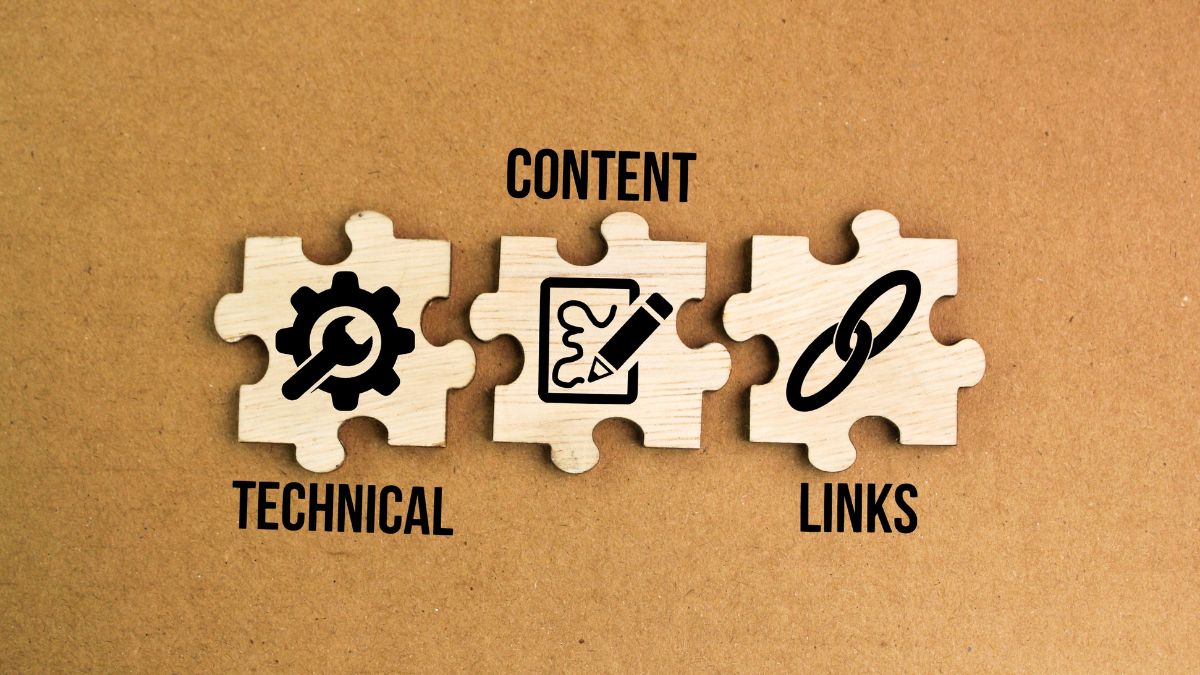
It can also identify pages with very little useful content, outdated information, repeated topics, or content that does not clearly address the purpose of the page.
Keyword use may also be reviewed to see whether pages have a clear search focus. This does not mean repeating the same phrase throughout a page.
Instead, the review looks at whether important topics are covered naturally and whether different pages are unnecessarily competing for the same search terms.
Related words and supporting information can help provide additional context without making the writing sound repetitive.
Useful website content should answer the visitor’s question while making the subject of the page clear to search engines.
An audit can also look at headings, page organization, duplicate content, outdated sections, and gaps where important information may be missing. These findings can help guide future updates without requiring every page to be completely rewritten.
Checking Mobile Usability and Website Experience
Another area of what does an SEO audit include is reviewing how the website works on mobile devices. A page that looks correct on a desktop computer may be difficult to use on a smaller screen.
Text may be too small, buttons may be difficult to tap, menus may not work properly, or page elements may extend beyond the visible screen.
Mobile usability checks can examine navigation, spacing, text size, forms, images, buttons, and other interactive features.
The goal is to make sure visitors can reach important information without constantly zooming, scrolling sideways, or struggling to select links.
The review may also look for intrusive elements that cover important content or make the page harder to navigate.
A website should provide a clear and usable experience regardless of the screen size someone is using. Mobile reviews can also reveal problems with page layouts that load differently across devices.
Fixing these issues can improve usability while making important content easier to access for people visiting from phones and tablets.
Reviewing Page Titles and Meta Descriptions
Search result information is also examined when reviewing what does an SEO audit include because page titles and meta descriptions can affect how a website appears in search results. A page title should clearly identify the subject of the page without being unnecessarily long or vague.
An audit can find missing titles, duplicate titles, titles that provide little context, and pages where the title does not match the main content.
Meta descriptions may be checked for similar issues. While a description does not need to contain every detail from the page, it should give searchers a useful idea of what they can expect after clicking.
Missing, repeated, inaccurate, or poorly written descriptions may make search listings less clear.
Clear search result information helps users understand the purpose of a page before they decide whether to visit it.
The review may also compare titles and descriptions across the website to identify unnecessary duplication. Important pages should have information that reflects their individual purpose instead of using the same wording everywhere.
Reviewing these elements alongside the actual page content helps keep search listings consistent with the information visitors will find after clicking.

More to Read
What Does An SEO Audit Include?
A website can look good on the surface while still having problems that make it harder for search engines and visitors to use. An
Oct
Ways To Build Topical Authority On Your Website
Building a strong website is about more than publishing a large number of pages. Search engines and visitors both need to see that your
Sep
How To Improve AI Overview Search Results
Search engines continue to evolve, and AI-generated summaries are becoming a larger part of how people discover information online. This means businesses and website
Aug